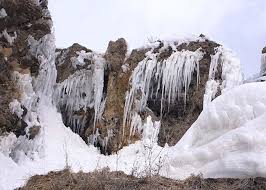
Some Natural Attractions in Chaharmahal and Bakhtiari Province
1- Helen Protected Area (The Bride of Iran)
Spanning approximately 40,000 hectares, this is the most famous natural attraction in the province. It was named after Helen Jeffreys Bakhtiar, an American nurse who came to Iran in 1931 and treated the local Bakhtiari tribe. The area features vast green plains, western oak forests, and the powerful Karun River. Visitors can enjoy rafting, hiking the 15-kilometer trail between Gandomkar and Jowzestan villages, and witnessing the seasonal migration of Bakhtiari nomads. The best time to visit is spring, especially May, when the flower fields are in full bloom.
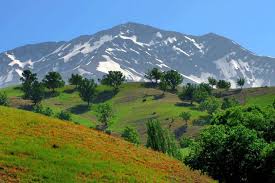
2- Chama Ice Cave (Yakhchal-e Chama)
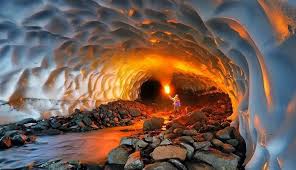
Located near Sheikh Ali Khan waterfall in the deep valleys of Koohrang, this natural cave houses thick and resilient ice and snow masses that endure throughout the year due to accumulated snow over several years. Visitors should check conditions before entering, as water levels inside the cave can sometimes be too high for safe exploration, and there is a risk of falling ice.
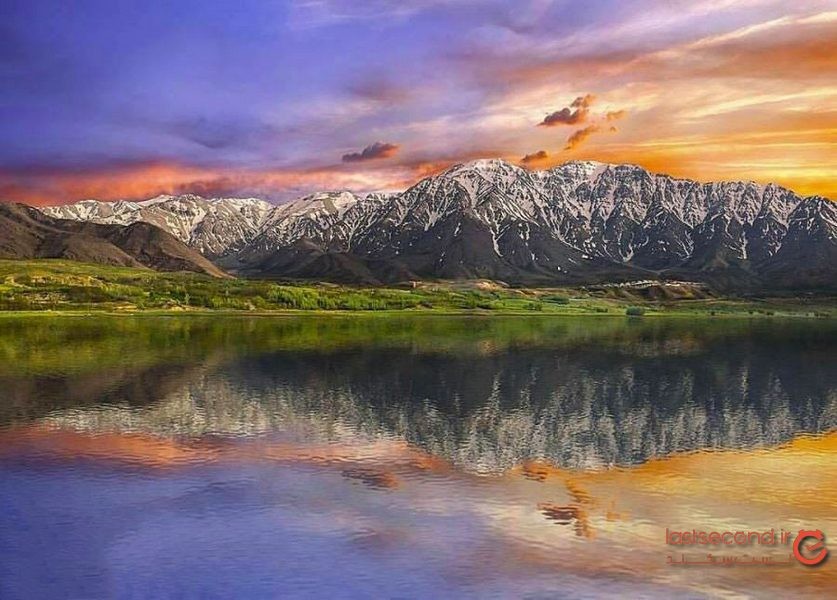
3- Choghakhor Wetland
Flowing on 1,687 hectares, this wetland is a hunting restricted area and one of the main habitats for migratory birds. It supports more than 47 bird species, including the endangered White-headed Duck and the vulnerable Eastern Imperial Eagle. Some 80 species of migratory birds come to winter in the wetlands of the province.
4- Sar Aqa Seyyed Village
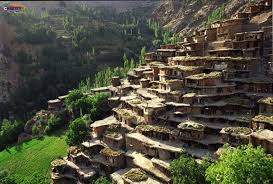
A stunning stepped village with picturesque adobe houses arranged in tiers, built into the mountainside at an altitude of 2,500 meters. The houses cling to the rocks overlooking a deep valley, where the roofs of lower houses serve as yards or pathways for those above. The villagers are Bakhtiari nomads who still wear traditional colorful clothing. Walnut trees around the village are believed to be more than 300 years old. It is an excellent place to buy local handicrafts like jajim, which are colorful rugs.
5- Zaman Khan Bridge
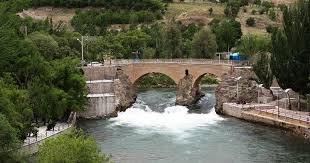
One of the oldest and most famous historical bridges spanning the Zayandeh Rud River, located 27 kilometers north of Shahrekord near the city of Saman. The bridge was built by a tribal chieftain named Zaman Khan, one of the leaders of the Qashqai tribe, in 1022 AH during the Safavid era. It was built to facilitate the movement of the Qashqai and Bakhtiari nomads and their livestock across the river. Legend says that before the bridge was built, a child drowned while crossing the river, and the mother brought her child's body to Zaman Khan, leading him to order the bridge's construction. The bridge was repaired twice, once during the Safavid era and again in 1321 AH. A water mill from the Qajar era is located right next to the bridge. Recently, a suspension bridge has been built nearby, providing visitors with an exciting experience.
6- Upside-Down Tulips
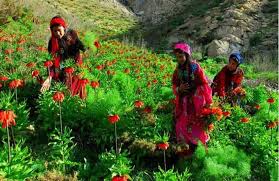
They are called "Upside-Down" because the flower cluster hangs down from the top of the stem, looking toward the ground, rather than standing up like a regular tulip . The plant grows to about one meter tall and usually features bright orange, red, or yellow bell-shaped flowers with delicate patterns inside.
7- Zardeh Limeh Waterfall
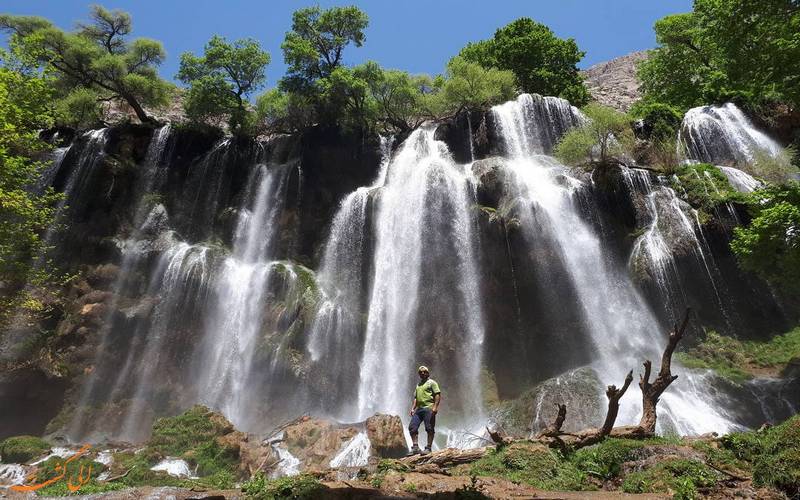
Zardeh Limeh is a stunning series of cascades located deep in the Zagros Mountains of western Iran. It is situated in the Ardal County, specifically in an area called Dinaran, at the end of a green valley known as Zard Limeh. The waterfall feeds the Bazoft River, which is a tributary of the great Karun River.
8- Sheikh Ali Khan Waterfall
Located in the Koohrang district, this waterfall is a geological wonder. In spring, it roars powerfully and is surrounded by overturned tulip fields. In winter, the entire waterfall freezes solid, turning into a massive wall of ice that attracts ice climbers from all over Iran. The area offers hiking opportunities, bird watching, and scenic viewpoints.